
Introduction:
Your Name in Landsat Nasa The idea of seeing your name connected to space exploration is both exciting and deeply symbolic. It represents not only personal pride but also humanity’s collective journey toward understanding Earth and the universe beyond. One of the most fascinating ways individuals can feel connected to space science is through programs and missions associated with NASA and its Earth observation systems like the Landsat program. The concept of “Your Name in Landsat NASA” reflects the powerful intersection of identity, science, and global participation in one of the longest-running space missions in history.
How Landsat Satellites Work
Your Name in Landsat Nasa Landsat satellites orbit Earth in a near-polar orbit and capture images using advanced sensors. These sensors detect different wavelengths of light, including those invisible to the human eye.
Key Technologies:
- Multispectral imaging
- Infrared sensing
- Thermal data analysis
What This Means:
- Detect plant health
- Measure temperature changes
- Analyze land use patterns
This advanced technology allows scientists to study Earth in incredible detail.
From the beginning, NASA has inspired people worldwide by making space exploration accessible not only to scientists but also to the general public. Initiatives like sending names to space missions, participating in citizen science, and engaging with satellite data allow individuals to feel like part of something much larger than themselves. When you imagine “Your Name in Landsat NASA,” it is not just about literal inclusion; it is about intellectual and emotional participation in a global scientific effort.
Your Name in Landsat Nasa The Landsat satellites orbit Earth in a near-polar orbit, capturing images of the surface in multiple spectral bands. These images are used to study forests, agriculture, water bodies, urban areas, and even climate change indicators such as glacier retreat. By linking your identity to this system, you become symbolically tied to the continuous observation and preservation of Earth. It is a reminder that every individual has a role in protecting the planet.
Historically, the Landsat program has been revolutionary. Before Landsat, understanding Earth on a global scale was difficult. Data was limited, fragmented, and often inconsistent. Landsat changed this by providing consistent, long-term data that could be compared over decades. This allowed scientists to track deforestation in the Amazon, desertification in Africa, and urban expansion in cities around the world. If your name is associated with Landsat, it represents your connection to this legacy of discovery and environmental awareness.
Importance of Landsat Data
1. Climate Change Monitoring
Landsat plays a crucial role in tracking environmental changes such as:
- Glacier melting
- Rising temperatures
- Forest loss
This data helps scientists understand global warming and develop solutions.
Your Name in Landsat Nasa NASA’s approach to public engagement has always been innovative. Campaigns that allow people to “send their names to space” or participate in missions help bridge the gap between complex science and everyday life. These programs create a sense of belonging and excitement. When people see their name associated with a mission, they feel personally invested in its success. This emotional connection is crucial for sustaining public interest in science and exploration.
The phrase “Your Name in Landsat NASA” can also be interpreted metaphorically. It suggests that your identity is part of the story of Earth observation and scientific progress. Every individual contributes to society in some way—through education, awareness, or action. By learning about Landsat data and using it responsibly, you become part of the mission’s impact. For example, students can use Landsat images to study environmental changes, while policymakers can use the data to make informed decisions about land use and conservation.
Technologically, Landsat satellites are equipped with advanced sensors capable of capturing data across different wavelengths of light. These sensors allow scientists to see beyond what the human eye can perceive. For instance, infrared imagery can reveal plant health, while thermal data can indicate temperature variations. The ability to analyze such detailed information has transformed fields like agriculture, forestry, and urban planning. Associating your name with this technology symbolizes your connection to cutting-edge innovation.
Your Name in Landsat Nasa One of the most remarkable aspects of the Landsat program is its longevity. Few space missions have lasted as long or produced as much valuable data. Each new satellite builds on the legacy of its predecessors, ensuring continuity and improvement. This continuity is essential for understanding long-term environmental trends. When you imagine your name being part of this program, it reflects a sense of continuity and belonging to a mission that spans generations.
Educational Benefits of Landsat
The global impact of Landsat data cannot be overstated. Governments use it to manage natural resources, monitor environmental changes, and respond to disasters. For example, during wildfires, Landsat images help track the spread of flames and assess damage. During floods, the data helps identify affected areas and plan relief efforts. By symbolically placing your name in Landsat NASA, you align yourself with these life-saving and planet-protecting efforts.
Education is another area where Landsat plays a significant role. Students and researchers worldwide use its data to learn about Earth systems. The accessibility of Landsat imagery makes it a powerful tool for teaching geography, environmental science, and data analysis. When your name is associated with Landsat, it represents your commitment to learning and knowledge-sharing.
The emotional aspect of connecting your name to a NASA mission is equally important. Space exploration has always been a source of inspiration. It pushes the boundaries of human imagination and encourages us to think beyond our immediate surroundings. Seeing your name linked to a mission like Landsat can inspire a sense of pride and curiosity. It reminds you that you are part of a global community striving to understand and protect our planet.
In addition to scientific and emotional significance, “Your Name in Landsat NASA” also highlights the importance of identity in the digital age. In a world where data is constantly generated and shared, your name represents your unique presence. Associating it with a mission like Landsat gives it a broader context—it becomes part of a story that extends beyond personal boundaries.
The future of the Landsat program is promising. New satellites with improved capabilities are being developed to continue the mission. These advancements will provide even more detailed and accurate data, helping scientists address emerging challenges such as climate change and resource management. As the program evolves, the idea of personal connection will likely continue to grow, allowing more people to feel involved in space exploration.
Future of NASA Landsat Missions
Climate change is one of the most pressing issues of our time, and Landsat plays a crucial role in monitoring its effects. By analyzing satellite data, scientists can track changes in temperature, vegetation, and ice cover. This information is essential for understanding the impact of human activities on the environment. When you imagine your name being part of Landsat NASA, it symbolizes your awareness and responsibility toward addressing these challenges.
Urbanization is another area where Landsat data is invaluable. Cities are expanding rapidly, and understanding this growth is essential for sustainable development. Landsat images help planners analyze land use patterns, identify areas for development, and ensure that resources are used efficiently. By associating your name with this mission, you connect yourself to the effort to build better, more sustainable cities.
Agriculture also benefits greatly from Landsat data. Farmers and researchers use satellite imagery to monitor crop health, assess soil conditions, and optimize irrigation. This helps improve productivity and reduce environmental impact. Your name in Landsat NASA can symbolize your connection to global food security and sustainable agriculture.
Water resource management is another critical application of Landsat data. By monitoring lakes, rivers, and reservoirs, scientists can assess water availability and quality. This information is crucial for managing resources and ensuring access to clean water. Associating your name with Landsat highlights your connection to this essential aspect of life.
The cultural significance of NASA and its missions should not be overlooked. Over the years, NASA has become a symbol of innovation, exploration, and human achievement. Its missions inspire people across different cultures and backgrounds. When your name is linked to a NASA mission, it becomes part of this cultural narrative.
Furthermore, the idea of “Your Name in Landsat NASA” encourages curiosity and exploration. It motivates individuals to learn more about space, science, and technology. This curiosity is essential for progress, as it drives innovation and discovery. By fostering a sense of connection, NASA helps cultivate the next generation of scientists and explorers.
The ethical dimension of Earth observation is also important. As technology advances, it is crucial to use data responsibly and ensure that it benefits society as a whole. Landsat’s open data policy is a step in this direction, making information accessible to everyone. Associating your name with this mission can symbolize your commitment to ethical and responsible use of technology.
Understanding Landsat and Its Global Vision
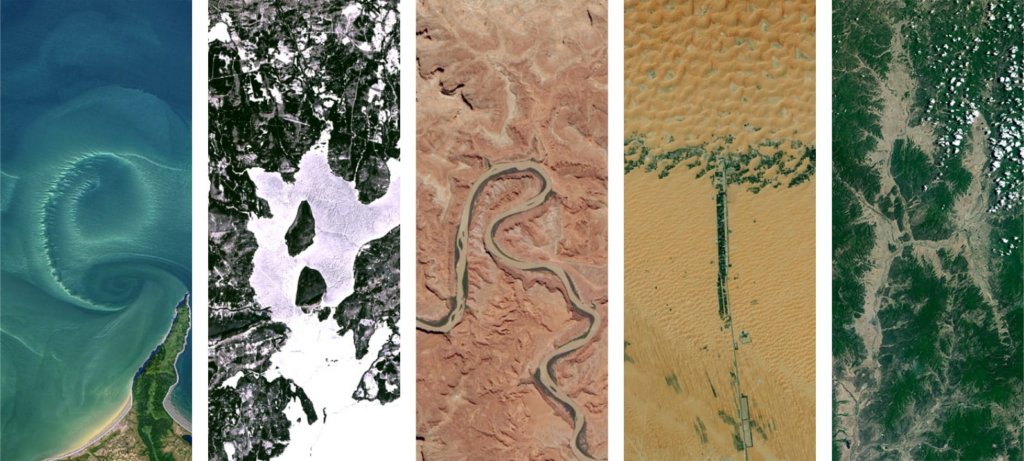
The Landsat Program is one of the longest-running Earth observation missions in history, jointly managed by NASA and United States Geological Survey. These satellites capture detailed images of Earth’s surface, revealing patterns in forests, deserts, rivers, and cities. When viewed creatively, these natural and urban formations can resemble letters, shapes, and even entire words.
Turning Geography into Personal Expression
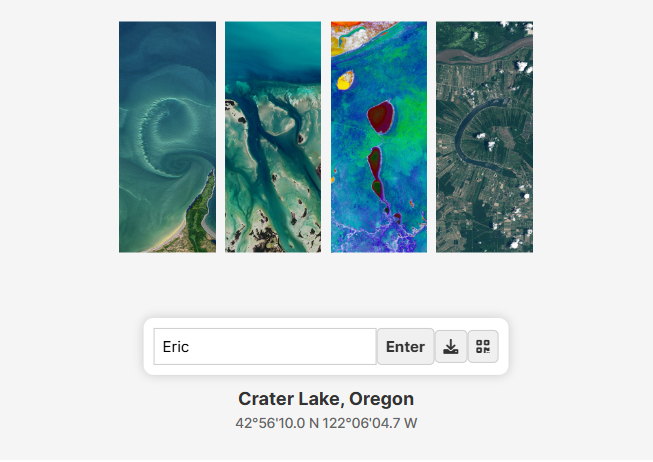
The idea behind “Your Name in Landsat” is simple yet powerful. By identifying shapes in satellite imagery that look like alphabet letters, you can piece together your name using real locations from Earth. It’s like nature and human civilization have unknowingly written a global alphabet, waiting for you to discover it. Each letter becomes a place, and each place tells a story.
How Satellite Imagery Forms Letters
From winding rivers that curve into an “S” to city grids that form sharp “E” shapes, the possibilities are endless. Satellite imagery often reveals patterns invisible at ground level. Agricultural fields, coastlines, and even desert dunes can mimic the structure of letters, making the Earth itself a canvas of typography.
The Role of Technology in Creative Discovery
Modern tools like Google Earth and NASA Worldview make it easier than ever to explore Landsat data. With just a few clicks, users can zoom into different regions, adjust layers, and experiment with perspectives. Technology has transformed satellite data from a scientific resource into a playground for creativity and exploration.
Why This Trend Is Gaining Popularity
People are always searching for new ways to express themselves online. “Your Name in Landsat” offers something fresh, meaningful, and visually captivating. It’s not just about aesthetics—it’s about connecting your identity to the planet. In a digital world filled with repetitive content, this idea stands out because it feels personal and global at the same time.
Educational Value Behind the Creativity
Beyond its artistic appeal, this concept also introduces users to geography and environmental science. By searching for letter-like shapes, you naturally learn about different terrains, ecosystems, and regions. It’s a creative way to engage with Earth science without feeling like a lesson. In fact, it turns learning into an adventure.
Social Media and Viral Potential
Platforms like Instagram and Pinterest have played a huge role in spreading this trend. Users love sharing their customized name designs, often turning them into aesthetic posts, wallpapers, or digital art pieces. The uniqueness of each creation makes it highly shareable and engaging.
Challenges in Finding Perfect Letter Matches
While the concept sounds simple, finding perfect letter shapes in satellite imagery can be surprisingly challenging. Not every letter appears clearly, and sometimes you need to get creative with interpretation. This challenge, however, adds to the fun, making the final result even more rewarding.
Website Link
Future Possibilities of Personalized Earth Art
As satellite technology continues to improve, the resolution and variety of imagery will only get better. This opens the door to even more detailed and creative possibilities. Imagine animated names, interactive maps, or AI-generated suggestions for letter matching—all powered by real-world data.
A New Way to Connect with the Planet
“Your Name in Landsat” is more than just a trend—it’s a reminder of how interconnected we are with Earth. By turning landscapes into letters, it creates a bridge between personal identity and the natural world. It invites you to see the planet not just as a place you live, but as a canvas that reflects who you are.
Conclusion:
In conclusion, “Your Name in Landsat NASA” is a powerful concept that goes beyond literal interpretation. It represents a connection to one of the most significant scientific missions in history, a commitment to understanding and protecting Earth, and a sense of belonging to a global community of explorers and learners. Through the Landsat program, NASA has not only advanced science but also inspired millions of people worldwide. By imagining your name as part of this mission, you embrace the spirit of exploration, curiosity, and responsibility that defines humanity’s journey into space and beyond.
“Your Name in Landsat NASA” is a powerful concept that connects individuals to one of the most important scientific missions in history. Through the Landsat program, NASA has revolutionized how we understand Earth, providing valuable data for climate research, agriculture, urban planning, and disaster management.
Web Link
By associating your name with this mission, you become part of a global effort to explore, understand, and protect our planet. It represents curiosity, responsibility, and the human spirit of discovery.