
Introduction
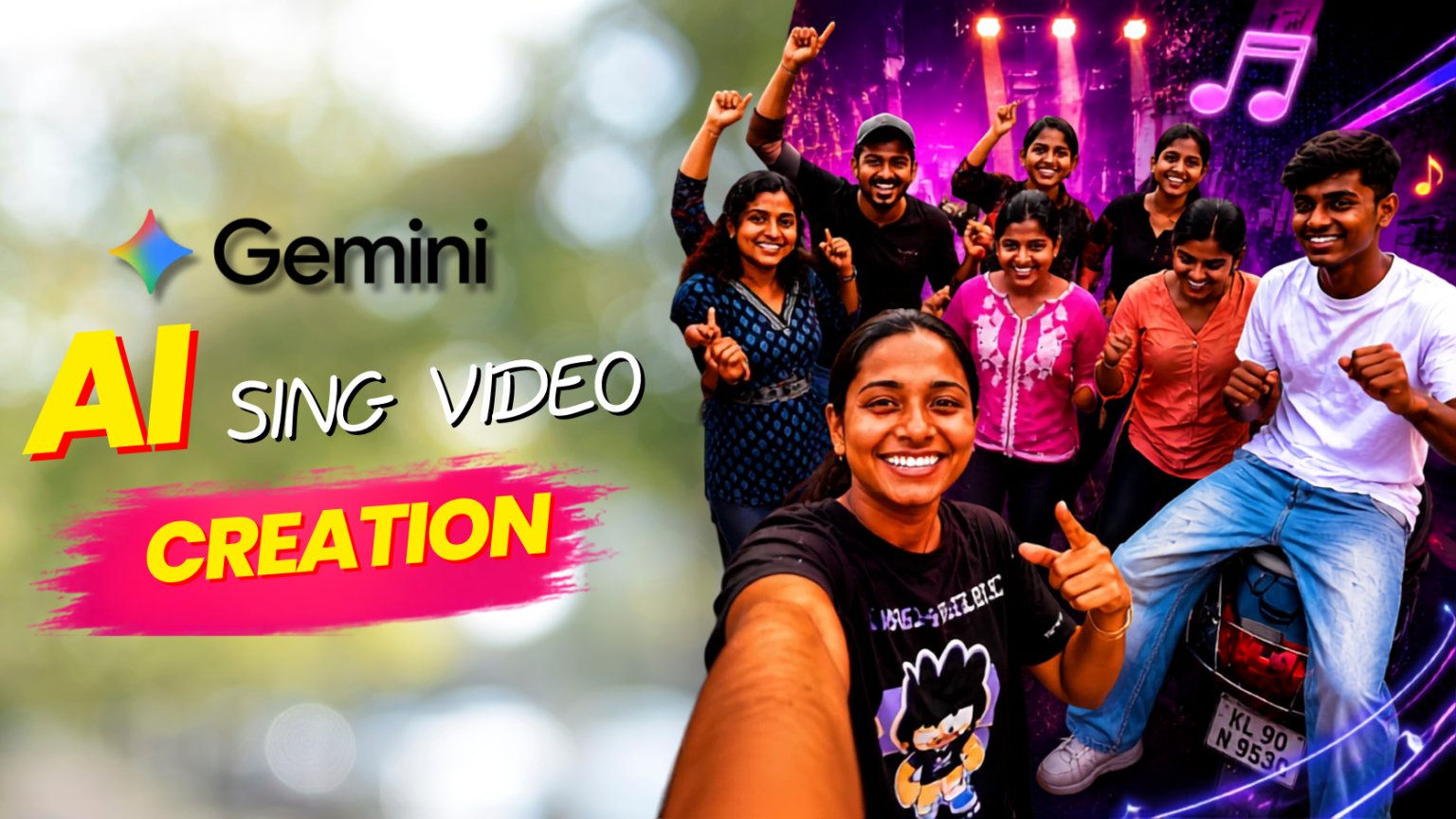
Pavazha Malli Video Making Gemini Prompt Gemini AI Photo to Video 2026 A new type of AI video is quickly becoming popular on social media: upload a photo, type a simple prompt, and turn that still image into a moving video.
The idea sounds complicated, but Google’s Gemini has made this kind of creation much easier. Its photo-to-video capability can transform an uploaded image into a short video clip, with prompts controlling the movement, scene and audio. Google originally introduced the feature with Veo 3, which could generate eight-second videos with sound for eligible users.
That is why creators are experimenting with prompts that make a person in a photograph appear to dance, sing, wave, walk or perform other actions.
The important part is the prompt. A good image alone is not enough. You need to clearly describe what should move, how the subject should behave and what kind of audio or atmosphere you want.
How Gemini Turns a Photo Into a Video
Pavazha Malli Video Making Gemini Prompt The process starts with an image. In Gemini’s video-generation interface, users can select the video tool, upload a photo and describe the scene they want to create. Google’s own guidance says the uploaded image becomes the starting frame of the generated video.
This means the quality of the original photograph matters.
A clear photo with the subject properly visible generally gives the model more useful information about the person, clothing and surroundings. Google also recommends starting with a clear subject and then describing the movement or action you want.
you can give Gemini more direction:
“Animate the person naturally. They begin smiling, then perform a simple energetic dance while keeping the same appearance, hairstyle and clothing. Use smooth camera movement and a lively background atmosphere.”
The more specific description gives the video model a clearer creative direction.
How to Create a Singing or Dancing Video
The basic workflow is straightforward.
First, open Gemini and select the available video-generation tool. Upload a photo that you have permission to use. Then describe the action you want in the prompt.
For a dancing video, mention the movement, camera angle and overall mood.
Why These Gemini AI Videos Are Trending
Pavazha Malli Video Making Gemini Prompt The appeal is simple: creators don’t need advanced video-editing skills to experiment with short AI videos.
A single photograph can become the starting point for a completely different visual story. People can animate old photographs, illustrations, artwork and everyday images, while prompts provide control over the action and atmosphere. Google has highlighted photo animation, photography-to-video and artistic storytelling as key use cases for its photo-to-video tools.
The trend also fits perfectly with short-form social media content. An eight-second clip can be used as a Reel, Short, status update or creative post.
Google has continued expanding Gemini’s video capabilities. Its 2026 Gemini updates describe Gemini Omni as a creative video partner that can combine text, photos and video and allow users to create and edit videos conversationally. Availability varies by region and subscription
Use photos you own or have permission to use.
If you’re uploading somebody else’s photograph, make sure you have the necessary permission. Avoid using AI to create misleading videos that could make it appear that a real person said or did something they never actually did.
Also remember that AI-generated media may be identifiable as AI-generated. Google says generated Gemini videos include a visible watermark and an invisible SynthID watermark.
For social media creators, being transparent that a video was AI-generated can also help avoid confusing viewers.
Conclusion
Gemini’s photo-to-video tools are making AI video creation much more accessible. Instead of learning complicated editing software, creators can start with a photograph and describe the scene they want using ordinary language.
The biggest difference between an average result and a good one is often the prompt. Clearly explaining the subject, movement, camera and audio gives the AI a much better creative direction.
Make us sing this lyrics
Podi nakkala vechinu thavila adikka
Pavazha malliya kattikka vaa
Pavazha malliya kattikka vaa
Naa pavazha malliya kattikka
dont change the video angle or zoom in
For anyone experimenting with Instagram Reels, YouTube Shorts or other short-form content, this is an interesting AI workflow to try—especially when the original photo and the intended action are both clearly defined.