
Introduction
TN Sottu Neer – Drip Irrigation Apply Subsidy Sure! Here’s a comprehensive essay on drip irrigation, covering its definition, history, working principles, advantages, disadvantages, types, impact, and future prospects. It’s structured to suit academic or informative purposes.
Water is one of the most precious resources on Earth, especially in the field of agriculture, where it plays a vital role in ensuring crop health and productivity. As the global population grows and climate change intensifies, efficient water use becomes more critical than ever. In this context, drip irrigation—also known as trickle irrigation—has emerged as a revolutionary and sustainable irrigation method that conserves water while improving agricultural output. This essay explores the concept of drip irrigation, its history, functioning, benefits, drawbacks, types, and its overall impact on agriculture and the environment.
Definition and Overvie
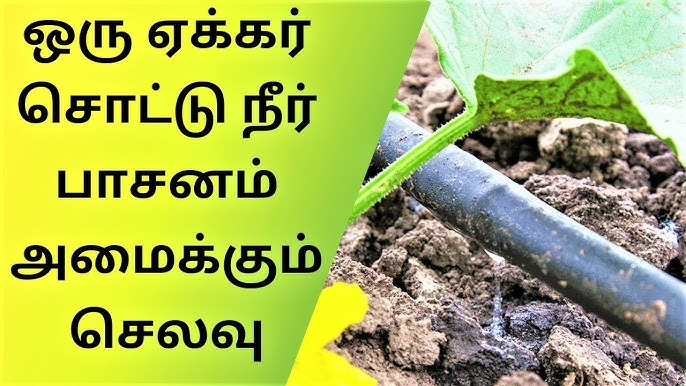
Drip irrigation is a micro-irrigation system that delivers water directly to the roots of plants in a slow and controlled manner. Unlike traditional irrigation methods that often flood fields, drip systems minimize water waste by applying water precisely where it is needed. This technique uses a network of valves, pipes, tubing, and emitters to deliver water drop by drop.
History and Development
TN Sottu Neer – Drip Irrigation Apply Subsidy The concept of drip irrigation is not new. Ancient civilizations, including those in China and the Middle East, practiced early forms of this technique using clay pots buried in the soil to slowly release water to plant roots. However, modern drip irrigation was developed in the 1960s by Simcha Blass, an Israeli engineer, who invented a plastic emitter that released water at a controlled rate. His innovation, in collaboration with Kibbutz Hatzerim, led to the establishment of Netafim, the first company to manufacture drip irrigation systems on a commercial scale. Since then, drip irrigation has spread globally, particularly in water-scarce regions.
How Drip Irrigation Works
Drip irrigation systems are made up of several components:
- Water Source: Can be a tank, well, river, or municipal supply.
- Filter: Removes debris to prevent clogging of emitters.
- Pressure Regulator: Ensures uniform water pressure.
- Mainline and Sub-mainline Tubes: Distribute water from the source.
- Drip Lines or Drip Tapes: Flexible tubes with emitters spaced at intervals.
- Emitters: Control the flow of water to each plant.
Water is pushed through the system using gravity or pumps and delivered directly to the root zone of each plant. This allows for precise irrigation, minimizes evaporation, and reduces surface runoff.
Advantages of Drip Irrigation
1. Water Conservation
Drip irrigation uses 30–50% less water than traditional methods like surface or sprinkler irrigation. By targeting the root zone, it prevents water wastage due to evaporation or runoff.
2. Improved Crop Yields
Consistent and optimal water delivery improves plant health and yields. Crops experience less stress and diseases, especially those caused by excess moisture on leaves.
3. Weed Control
Because water is delivered only to the root zones, areas between plants remain dry, reducing the growth of weeds.
4. Fertilizer Efficiency
Drip systems can be integrated with fertigation—applying fertilizers through the irrigation system—ensuring nutrients reach the plant roots directly, reducing losses.
5. Labor Savings
Automated systems reduce the need for manual watering, saving time and labor costs.
6. Soil Health
Drip irrigation maintains optimal soil moisture levels and prevents issues such as erosion or nutrient leaching.
Disadvantages of Drip Irrigation
Despite its many benefits, drip irrigation also has some drawbacks:
1. High Initial Cost
The installation of a drip system can be expensive, especially for large farms. It requires investment in tubing, filters, pumps, and controllers.
2. Clogging of Emitters
Small holes in emitters can get clogged by sediment, algae, or minerals in the water. Regular maintenance is required.
3. System Management
Drip irrigation systems require technical knowledge for proper design, operation, and maintenance.
4. Limited Coverage
This system is not ideal for all crops, especially those that require large amounts of water over wide areas, like rice.
Types of Drip Irrigation
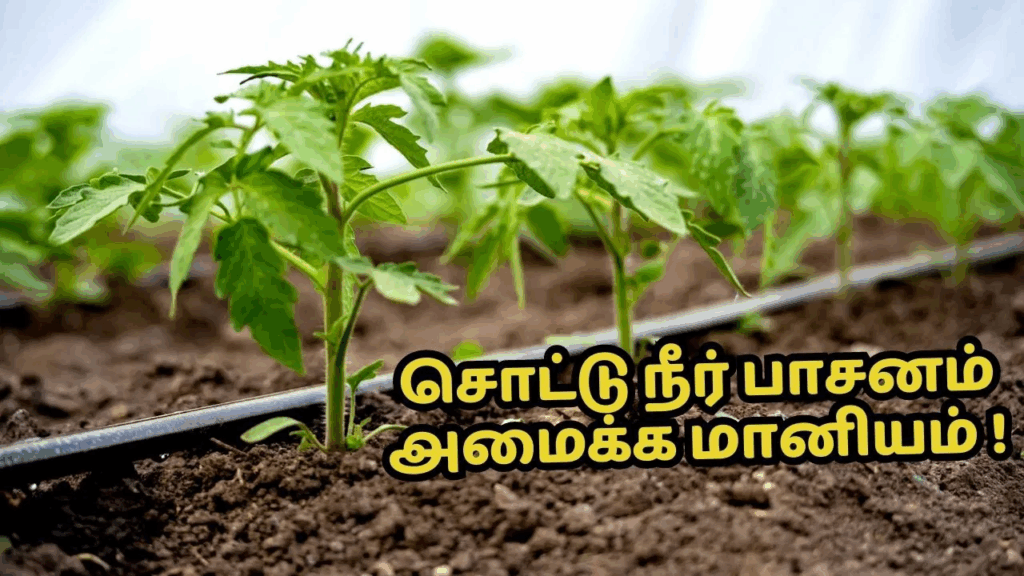
- Surface Drip Irrigation – Tubing and emitters are laid on the soil surface. Common for row crops and vegetables.
- Subsurface Drip Irrigation – Tubes are buried below the soil surface, often used in orchards or vineyards.
- Micro-spray Systems – Emitters spray water in a fine mist, used where broader wetting is required.
Applications in Agriculture
Drip irrigation is used widely for:
- Vegetables: Tomatoes, cucumbers, lettuce, etc.
- Fruits: Grapes, strawberries, citrus, bananas.
- Orchards: Apples, peaches, mangoes.
- Greenhouses: Where precise water control is essential.
- Landscape Irrigation: In urban settings for gardens and parks.
Environmental and Economic Impact
Drip irrigation is considered a climate-smart agriculture practice. By reducing water usage and chemical runoff, it contributes to environmental conservation. It also enables farmers in arid and semi-arid regions to cultivate land that would otherwise be non-arable. Economically, it helps reduce input costs, increase yields, and ensure food security.
Challenges and Solutions
While promising, drip irrigation faces adoption challenges:
- Awareness and Training: Many farmers are unaware of how to use or maintain these systems.
- Financing: Governments and NGOs can help subsidize costs and provide microloans.
- Technology Access: Innovations in solar-powered pumps, mobile monitoring, and low-cost materials are making systems more accessible.
Future of Drip Irrigation
TN Sottu Neer – Drip Irrigation Apply Subsidy As the world faces increased water scarcity and the need to produce more food with fewer resources, drip irrigation is likely to become a central part of modern agriculture. Advances in smart irrigation systems, IoT integration, and data analytics will enable even more efficient water management.
Government Subsidies for Drip Irrigation in India
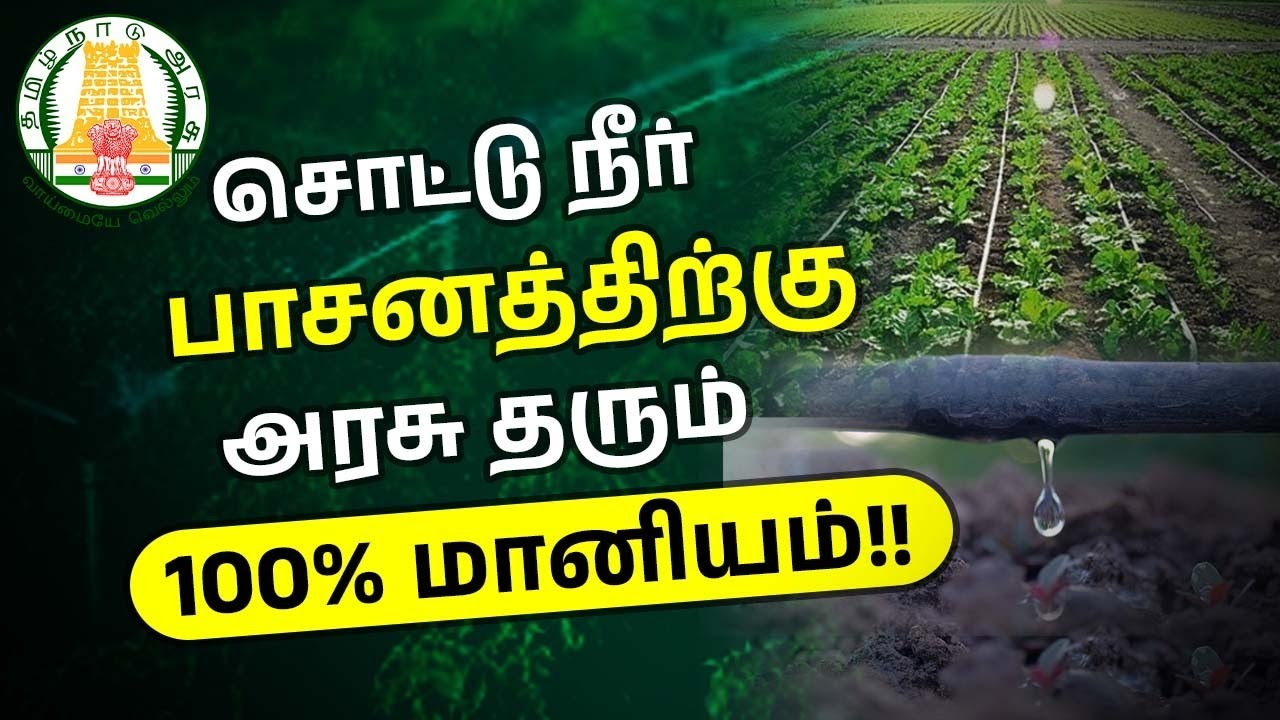
To encourage adoption, the Indian government launched the Pradhan Mantri Krishi Sinchayee Yojana (PMKSY), under which the Per Drop More Crop initiative provides financial assistance for micro-irrigation. Most states, including Tamil Nadu, Karnataka, Maharashtra, Gujarat, and Andhra Pradesh, run their own subsidy programs under PMKSY or parallel schemes.
Subsidy Features (General Overview)
- Small and marginal farmers: Up to 100% subsidy in states like Tamil Nadu.
- Other farmers: Up to 75% subsidy.
- Area limit: Varies from 2 to 5 hectares (state-specific).
- Component covered: Drip lines, filters, valves, fertigation units, pumps, and even conveyance pipes.
How to Apply for Drip Irrigation Subsidy
1. Online Application
Most state governments have set up online portals for farmers to apply for drip irrigation subsidies. For example:
- Tamil Nadu: tnhorticulture.tn.gov.in
- Karnataka: raitamitra.karnataka.gov.in
- Maharashtra: mahadbt.maharashtra.gov.in
Steps:
- Visit the respective state’s agriculture or horticulture website.
- Register as a user with Aadhar and mobile OTP.
- Choose the Drip Irrigation subsidy scheme.
- Fill in land details, crop type, water source, and area.
- Upload required documents.
- Select a vendor from the approved list of manufacturers.
- Submit and track application status.
2. Offline Application
Alternatively, farmers can apply through local offices:
- Horticulture Department
- Agriculture Engineering Department
- Krishi Vigyan Kendras (KVKs)
- Block Agricultural Offices
They assist in form filling, document submission, and site verification.
Documents Required
- Aadhar card (mandatory)
- Land ownership certificate or patta
- Bank passbook copy (for DBT – Direct Benefit Transfer)
- Ration card or family ID
- Water source proof (well, borewell, tank)
- Soil and water test reports (optional in some schemes)
- Passport-size photographs
- Caste or income certificate (if claiming additional benefits)
Conclusion
TN Sottu Neer – Drip Irrigation Apply Subsidy Drip irrigation stands at the forefront of sustainable agricultural practices, especially in a country like India where water resources are strained. Applying for a drip irrigation system is more than just accessing equipment; it is a step toward climate-resilient farming, higher productivity, and improved farmer incomes. With robust government support in the form of subsidies, training, and approved vendor systems, farmers now have greater access to this technology. Ensuring awareness, simplification of the application process, and transparency in implementation will further boost the adoption of drip irrigation, paving the way for a more water-efficient and food-secure future.
Apply Link
Drip irrigation represents a sustainable and effective method to combat water scarcity while enhancing agricultural productivity. By delivering water directly to the plant roots, it maximizes efficiency, reduces waste, and promotes healthier crops. Despite its challenges, the long-term benefits make it a viable solution for farmers worldwide. As technology evolves and awareness spreads, drip irrigation has the potential to revolutionize agriculture and secure the future of global food production.