
Introduction
Google Play Store Latest Version In the 21st century, digital technology has become the backbone of human civilization. Mobile devices, particularly smartphones, have revolutionized how people communicate, learn, work, and entertain themselves. At the heart of this transformation lies a powerful platform that connects billions of users to millions of software applications—the Google Play Store. Acting as the official digital distribution platform for Android, the Play Store has not only changed how mobile applications are accessed but has also empowered millions of developers around the world to build innovative solutions. Since its launch in 2012, the Google Play Store has evolved into one of the most influential technological ecosystems ever created, shaping global communication, economics, and culture.
This essay explores the evolution, structure, features, and impact of the Google Play Store. It also examines its role in the Android ecosystem, its influence on developers and consumers, its economic and technological contributions, the challenges it faces, and its future in an increasingly connected digital world.
Historical Background and Evolution
Google Play Store Latest VersionBefore the Play Store existed, Google operated the Android Market, which was launched in October 2008 to distribute apps for the Android operating system. The Android Market started modestly, with only a few dozen applications, but it represented a major step in Google’s ambition to create an open-source mobile platform that could rival Apple’s App Store. As Android devices gained popularity, the need for a unified platform to distribute not only applications but also digital media such as music, movies, and books became evident.
In March 2012, Google officially merged the Android Market, Google Music, and Google eBookstore into a single platform—the Google Play Store. This consolidation marked a turning point in digital distribution. The rebranding was not just cosmetic; it represented a strategic move to unify Google’s media and software ecosystem under one recognizable and user-friendly brand. The Play Store quickly grew in popularity, supported by the rapid expansion of Android devices globally. Over time, it introduced new sections such as Play Movies & TV, Play Books, Play Games, and Play Music, expanding its scope beyond applications to a full-fledged digital entertainment hub.
Structure and Features of the Play Store
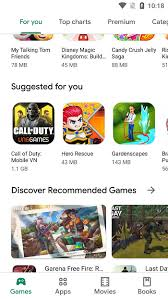
The Google Play Store operates as a comprehensive digital marketplace, allowing users to browse, download, and update applications, games, movies, e-books, and other digital content. It is built on a user-centered design, combining ease of navigation with personalization features driven by artificial intelligence.
The platform’s layout is organized into several main sections:
- Apps and Games – the primary section where users find software categorized under genres such as productivity, communication, education, entertainment, and health.
- Movies & TV – offering films and shows for rent or purchase.
- Books – an extensive collection of e-books and audiobooks.
- Kids Section – a curated area designed for child-friendly apps and content.
Each app’s listing includes detailed information: a description, screenshots, promotional videos, ratings, user reviews, update history, permissions required, and contact information for the developer. This transparency enables users to make informed choices before downloading.
One of the Play Store’s key strengths is Google Play Protect, an integrated security service that automatically scans apps for malicious behavior and ensures user safety. Additionally, features like family sharing, wishlist management, and subscription management tools enhance usability and convenience for diverse audiences.

Role in the Android Ecosystem
The Play Store is deeply intertwined with the Android operating system, which powers the majority of smartphones globally. Android’s open-source nature allows manufacturers to produce a wide variety of devices, from budget-friendly phones to high-end flagships. The Play Store serves as the primary hub that unifies this fragmented ecosystem, ensuring users have consistent access to verified and compatible applications.
Google also provides developers with tools such as the Google Play Console, Firebase, and the Play Billing Library, which simplify app distribution, analytics, monetization, and user engagement. The Play Store acts as the bridge between developers and users, offering developers global reach and offering users access to the latest innovations.
Economic Impact and Developer Empowerment
Google Play Store Latest Version The Play Store is not merely a digital repository of apps—it is a thriving economic ecosystem that fuels the global software industry. For developers, it provides a gateway to billions of potential users. Through various monetization models—such as paid downloads, in-app purchases, subscriptions, and advertising—developers can generate sustainable income.
Google takes a commission on revenue generated through the platform, traditionally 30%, though in recent years, this has been reduced to 15% for small developers earning under a certain threshold and 15% for subscription-based services after one year. This move aims to support small businesses and encourage innovation.
The financial significance of the Play Store is immense. According to industry reports, it contributes tens of billions of dollars annually to the global app economy. More importantly, it has enabled individual entrepreneurs, startups, and independent developers from emerging markets to achieve financial success without needing traditional distribution channels.
The Play Store has also had a transformative social impact. Developers from countries such as India, Indonesia, and Nigeria now reach global audiences through apps that address local and global needs—from education and healthcare to agriculture and e-commerce. The democratization of app distribution has made the Play Store a cornerstone of digital entrepreneurship.

Technological Innovation and AI Integration
The Play Store is not static—it continually evolves with advances in artificial intelligence, machine learning, and cloud computing. Google uses these technologies to personalize recommendations, detect fraudulent behavior, and enhance user experience.
The recommendation system analyzes user behavior, search history, ratings, and preferences to suggest relevant apps. AI-driven moderation tools help Google identify policy violations, such as spam, scams, or inappropriate content, improving the overall quality of the marketplace.
Additionally, Google leverages cloud infrastructure to ensure fast downloads, seamless updates, and efficient app management. With the introduction of App Bundles and Dynamic Delivery, Google has optimized app installation by reducing file sizes and ensuring that users only download the components needed for their specific device configuration.
Security, Privacy, and Trust
Given the open nature of Android, security is a major concern. To address this, Google has made the Play Store one of the most secure digital marketplaces in the world. Google Play Protect continuously scans billions of apps daily to detect and remove malware. It automatically checks newly uploaded apps for potential threats and notifies users about suspicious behavior.
Furthermore, Google has introduced stricter developer verification processes and data safety labels that require app creators to disclose how user data is collected, used, and shared. These transparency measures empower users to make informed choices and enhance overall trust in the platform.
Despite these efforts, challenges remain. Malicious apps occasionally bypass detection, prompting criticism of Google’s moderation system. However, the company’s ongoing investments in AI-based security and partnerships with cybersecurity organizations continue to strengthen user protection.
Cultural and Social Impact
Beyond its economic and technological influence, the Play Store has profoundly shaped global culture. Applications distributed through it have transformed education, communication, entertainment, and healthcare.
Educational apps like Khan Academy, Duolingo, and Google Classroom have expanded access to learning resources worldwide, especially in developing nations. Communication apps such as WhatsApp, Telegram, and Zoom—all available through the Play Store—have redefined social interaction and remote work. Streaming platforms like Spotify, Netflix, and YouTube Music have revolutionized entertainment consumption, shifting audiences from traditional media to on-demand digital content.
Google Play Store Latest Version The Play Store also plays a crucial role in promoting digital inclusion. It offers free and affordable apps that help marginalized populations access essential services, financial tools, and educational materials. In this way, it has become an agent of global connectivity and empowerment.

Challenges and Criticisms
Despite its many achievements, the Play Store is not without controversy. Critics have raised concerns over its revenue-sharing policies, monopolistic dominance, data privacy practices, and content moderation.
1. Revenue and Monopoly Issues
Google’s control over the Android app ecosystem has drawn scrutiny from regulators. Many developers argue that Google’s mandatory use of the Play Store’s billing system and its revenue cut limit competition and developer profits. Several governments, including those in the European Union, India, and South Korea, have investigated Google for potential antitrust violations.
2. Privacy and Data Collection
Although Google has improved transparency through data safety labels, privacy advocates continue to criticize the company’s extensive data collection for advertising purposes. Striking a balance between personalization and privacy remains an ongoing challenge.
3. Content Regulation
With millions of apps uploaded, maintaining quality and compliance is difficult. Some low-quality, misleading, or harmful apps occasionally slip through the review process. While Google has implemented stricter developer verification and AI-based detection, perfection remains elusive.
Comparisons with Competing Platforms
The Play Store’s closest rival is Apple’s App Store, which operates under a more closed and controlled model. While Apple emphasizes tight regulation and security, Google’s Play Store focuses on openness and accessibility. This openness has made Android—and by extension, the Play Store—immensely popular, especially in developing nations where affordability and flexibility are key.
However, this open nature is also a double-edged sword. It makes Android devices more susceptible to security threats and piracy. Nonetheless, Google’s commitment to balancing freedom with responsibility continues to define its competitive advantage.
Google Play Pass and Play Points
In recent years, Google has diversified its Play Store offerings with services like Google Play Pass and Play Points. Play Pass is a subscription-based service that provides users with access to hundreds of premium apps and games without ads or in-app purchases. This model benefits both users, who enjoy unlimited access, and developers, who receive steady revenue through the subscription pool.
Google Play Points, on the other hand, is a rewards program that allows users to earn points for every purchase they make on the Play Store, which can later be redeemed for discounts or in-app items. These innovations strengthen user loyalty and provide additional value within the Play Store ecosystem.
Impact During the COVID-19 Pandemic
The COVID-19 pandemic highlighted the Play Store’s critical role in sustaining digital life. As lockdowns forced millions to stay home, the demand for communication, education, entertainment, and health apps surged. Apps like Zoom, Google Meet, and Microsoft Teams became essential tools for remote work and learning. Fitness and meditation apps saw massive growth as people prioritized mental and physical well-being.
Developers worldwide leveraged the Play Store to create tools for health monitoring, contact tracing, and information dissemination. The Play Store thus became a vital platform in supporting global resilience during an unprecedented crisis.
Future Prospects and Innovations
The future of the Google Play Store is deeply tied to advancements in artificial intelligence, augmented reality (AR), virtual reality (VR), and the Internet of Things (IoT). As these technologies mature, the Play Store will expand beyond smartphones to encompass wearable devices, smart TVs, and even cars through Android Auto.
Google is likely to emphasize AI-driven personalization, improving app recommendations and adaptive interfaces. Enhanced cross-platform integration will also become central, allowing apps to function seamlessly across multiple devices and environments.
Additionally, the Play Store is expected to play a vital role in promoting digital sustainability. As concerns about electronic waste and energy consumption grow, Google may introduce policies and certifications encouraging developers to design environmentally conscious apps that use fewer resources.
In terms of global expansion, Google continues to invest in localization, ensuring that the Play Store supports more languages, currencies, and culturally relevant content. This inclusivity will further solidify its position as the world’s leading digital marketplace.
Conclusion
The Google Play Store stands as a testament to the power of digital innovation and global collaboration. What began as a modest app marketplace in 2008 has evolved into a colossal ecosystem connecting billions of users with millions of developers. It has redefined software distribution, democratized innovation, and shaped modern digital culture.
Through its integration with the Android operating system, the Play Store has made technology accessible to nearly every corner of the globe. Its contributions extend far beyond economics—they touch education, communication, entertainment, and social inclusion.

LINK HERE
However, as the Play Store continues to expand, it must address critical challenges: ensuring privacy, maintaining fairness in its economic policies, and balancing openness with safety. If it successfully meets these challenges, the Google Play Store will remain not only a marketplace but also a symbol of the world’s digital future—a platform that empowers creativity, connects humanity, and fuels the next generation of technological progress.