
Introduction
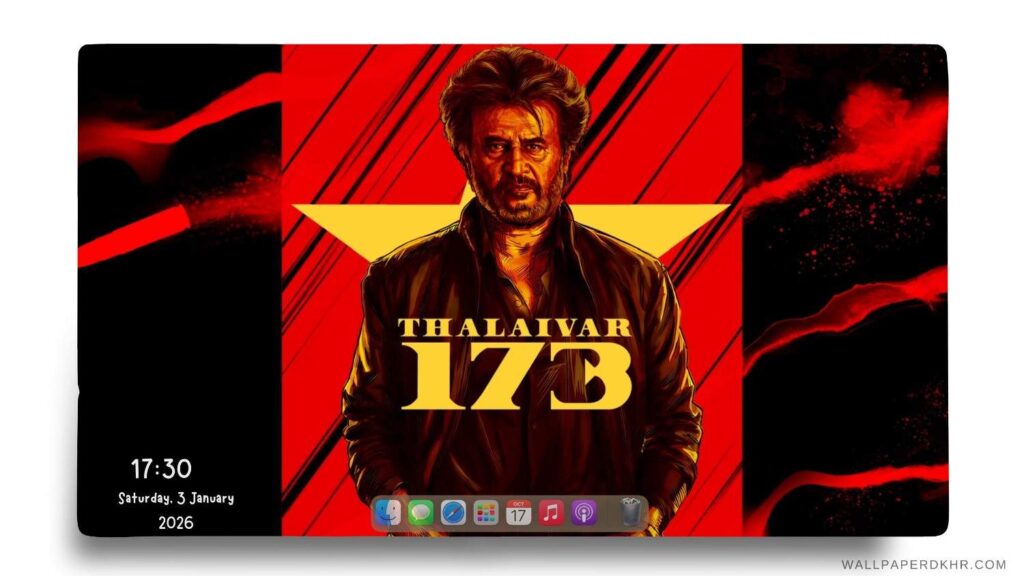
Thalaivar 173 Movie Poster Preset Cinema in India has never been merely about moving images; it has been about belief, emotion, identity, and legacy. Within this vast cinematic universe, few figures transcend the boundaries of film to become cultural phenomena. Rajinikanth, fondly known as Thalaivar, is not merely an actor but an institution—one that has shaped popular imagination for over four decades. Every announcement related to him is not just news; it is an event. In this context, the poster of Thalaivar 173 stands as more than a promotional artifact. It is a visual manifesto—an assertion of power, continuity, and myth-making in contemporary Tamil cinema.
The Thalaivar 173 poster operates at multiple levels: as a promise to fans, as a symbol of Rajinikanth’s evolving screen persona, and as a reflection of changing cinematic aesthetics. This essay explores how the poster encapsulates the essence of Rajinikanth’s stardom while also signaling transformation, restraint, and modernity. By analyzing its visual language, thematic undertones, cultural resonance, and emotional impact, we can understand how a single poster carries the weight of history, expectation, and cinematic legacy.
Rajinikanth From Star to Symbol
To understand the significance of the Thalaivar 173 poster, one must first understand Rajinikanth’s unparalleled position in Indian cinema. Unlike many stars whose appeal is rooted in glamour or performance alone, Rajinikanth’s image is deeply tied to ideology and aspiration. He represents rebellion, righteousness, humility, and power—often simultaneously.
Thalaivar 173 Movie Poster Preset Over the decades, his screen image has evolved from the angry young man to the righteous vigilante, from the stylish rebel to the philosophical elder statesman. Each phase of his career has corresponded with social moods and generational shifts. The Thalaivar 173 poster does not erase this history; instead, it condenses it into a single frame.
What makes the poster remarkable is that it does not rely on excess. There is no loud proclamation, no exaggerated pose screaming invincibility. Instead, it communicates confidence through restraint—a trait that only a star of Rajinikanth’s stature can afford.
The Poster as a Narrative Device
Film posters traditionally serve three functions: to attract attention, to establish tone, and to create intrigue. The Thalaivar 173 poster accomplishes all three with remarkable efficiency.
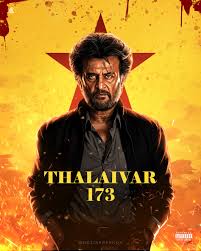
At first glance, the poster commands attention not through brightness but through intensity. The composition centers around Rajinikanth’s presence, allowing his posture, expression, and silhouette to dominate the frame. This centrality is symbolic—it reinforces the idea that the story revolves around the man, his choices, and his consequences.
The poster hints at a narrative rooted in realism and authority. Unlike earlier mass posters that celebrated flamboyance, this image feels grounded, almost raw. The absence of overt glamour suggests a story that values substance over spectacle, character over chaos.
Body Language and the Power of Stillness
Thalaivar 173 Movie Poster Preset One of the most striking aspects of the Thalaivar 173 poster is Rajinikanth’s body language. His stance is neither aggressive nor submissive. It is composed, balanced, and deliberate. This stillness is powerful.
In cinematic semiotics, stillness often signifies control. Rajinikanth’s posture suggests a man who does not need to prove his dominance—it is already acknowledged. His confidence is internalized, not performative. This marks a shift from earlier cinematic tropes where power was expressed through action and excess.
The body language in the poster communicates authority earned through experience rather than brute force. It reflects maturity, wisdom, and inevitability—qualities that align with Rajinikanth’s current phase as an actor.
Costume and Visual Identity
Costume plays a crucial role in shaping cinematic perception, and in the Thalaivar 173 poster, it is used with precision. The attire is functional, understated, and grounded in realism. There is no attempt to dress Rajinikanth as a larger-than-life superhero; instead, he appears as a man rooted in his world.
This choice is significant. It suggests that the film’s power will emerge from character and context rather than fantasy. The simplicity of the costume enhances the authenticity of the image, making the character feel accessible yet formidable.
Moreover, the absence of ornamental excess reinforces Rajinikanth’s natural charisma. The poster trusts the actor’s presence rather than distracting from it—a testament to his enduring star power.
Lighting, Shadows, and Mood
Thalaivar 173 Movie Poster Preset The lighting in the Thalaivar 173 poster plays a crucial psychological role. Shadows dominate the frame, creating a mood of seriousness and tension. Light is not used to beautify but to reveal selectively.
This chiaroscuro effect—where light and darkness coexist—symbolizes moral complexity. It hints that the character may operate in grey zones, navigating ethical dilemmas rather than clear-cut heroism. This tonal choice aligns with modern storytelling, where protagonists are flawed, layered, and human.
The shadows also enhance mystique. They suggest untold stories, hidden pasts, and unresolved conflicts. In doing so, the poster invites viewers not just to watch the film but to uncover its depths.
Typography and Minimalism
The typography used in the Thalaivar 173 poster is minimal, bold, and restrained. The title does not overpower the image; instead, it complements it. This design choice reflects confidence.
Minimalism in poster design often signals that the makers trust the content and the star. There is no need for excessive taglines or visual clutter. The name “Thalaivar” itself carries enough weight to generate excitement.
This approach also reflects contemporary global cinema aesthetics, where subtlety and sophistication have replaced loud promotional tactics. It positions the film as both mass-oriented and critically conscious.
Fan Culture and Emotional Impact
Thalaivar 173 Movie Poster Preset For Rajinikanth fans, a poster is never just a poster—it is a moment of collective emotion. The release of the Thalaivar 173 poster sparked celebrations, discussions, and interpretations across social media and fan communities.
What makes this poster emotionally powerful is its respect for the audience. It does not manipulate nostalgia overtly, yet it acknowledges legacy. Fans see in it the Rajinikanth they admire: dignified, commanding, and authentic.
The poster acts as a bridge between generations. Older fans see continuity; younger audiences see relevance. In this way, it sustains Rajinikanth’s intergenerational appeal.
Thalaivar 173 and the Evolution of Mass Cinema
Mass cinema in Tamil Nadu has undergone significant transformation. Audiences today expect substance alongside style. The Thalaivar 173 poster reflects this shift.
Rather than promising exaggerated heroism, it hints at narrative depth. Rather than glorifying violence, it suggests consequence and realism. This evolution does not dilute Rajinikanth’s mass appeal; instead, it refines it.
The poster positions Thalaivar not as a relic of the past but as an active participant in contemporary cinema—adapting, evolving, and leading by example.
Political and Social Undertones
Rajinikanth’s films have often carried political and social subtexts, whether explicit or implied. The Thalaivar 173 poster, through its serious tone and grounded imagery, suggests engagement with real-world issues.
The character appears as someone shaped by systems, conflicts, and power structures. This opens space for interpretations related to class, authority, resistance, and justice. Even without explicit messaging, the poster evokes the idea of responsibility that comes with power.
Such undertones elevate the poster from a marketing tool to a cultural statement.
Myth, Man, and Modernity
Rajinikanth exists at the intersection of myth and man. The Thalaivar 173 poster balances this duality with finesse. While his presence retains mythic weight, the portrayal remains human.
This balance is crucial. In an era that values authenticity, the poster acknowledges Rajinikanth’s legendary status without alienating realism. It suggests that true power lies not in invincibility but in resilience.
The image reminds viewers that legends evolve—they do not remain frozen in time.
Conclusion
The Thalaivar 173 poster is not merely an announcement of a film; it is a statement of intent. It tells us that Rajinikanth’s journey is far from over, that his cinema continues to adapt, and that his presence still commands respect.
Through its minimalism, composure, and emotional depth, the poster encapsulates decades of stardom while pointing toward the future. It respects the intelligence of the audience, honors the legacy of the star, and aligns with the sensibilities of modern cinema.
Link Here
In a single frame, the Thalaivar 173 poster achieves what few promotional materials can—it tells a story before the story begins. It reassures fans, intrigues critics, and challenges expectations. Above all, it reaffirms why Rajinikanth remains not just a star, but Thalaivar—a leader in every sense of the word.