

Introduction
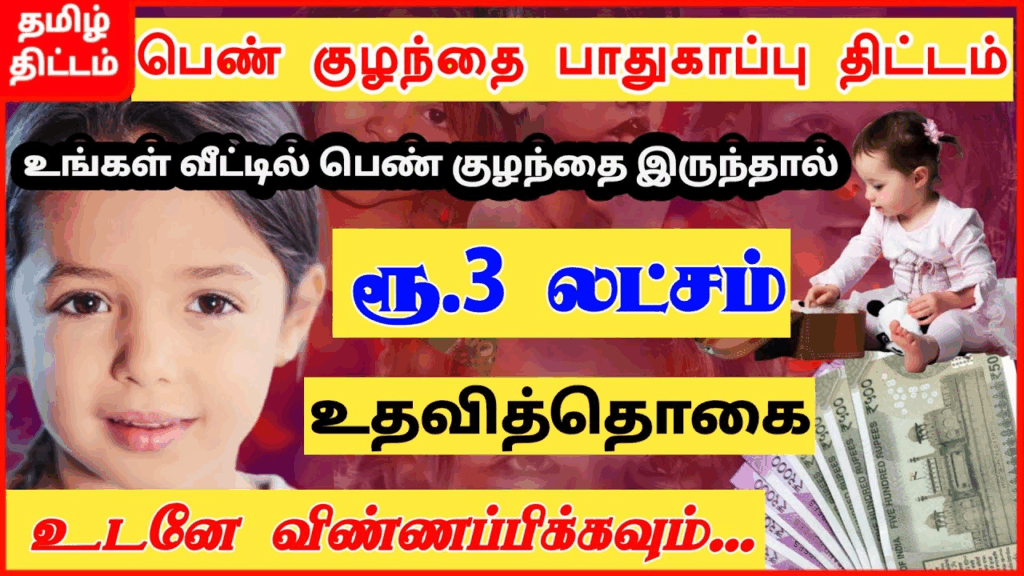
Tamilnadu Girl Child Protection Scheme In India, the status of the girl child has historically been burdened with social, cultural, and economic challenges. From gender discrimination to child marriage, and from limited access to education to economic dependency, the life of a girl child has not always been easy. Governments at both state and central levels have introduced multiple welfare schemes to safeguard, empower, and uplift the girl child. One of the most impactful among them is the Tamil Nadu Girl Child Protection Scheme (GCPS), launched by the Government of Tamil Nadu.
This scheme is an innovative social welfare program aimed at discouraging gender discrimination, improving the sex ratio, preventing female infanticide, and ensuring financial security for the girl child. Over the years, it has evolved into a powerful tool for women’s empowerment in Tamil Nadu.
Historical Background
Tamil Nadu has long been a pioneer in social welfare policies. The state government, recognizing the deep-rooted issues of female foeticide and child neglect, introduced the Girl Child Protection Scheme in 1992.
The program was designed in response to alarming demographic data:
- Falling child sex ratio in some districts.
- Growing reports of girl child neglect and infanticide.
- Widespread preference for male children due to socio-economic factors.
The scheme aimed to give families, especially from economically weaker sections, a strong incentive to protect and nurture their daughters.
Objectives of the Scheme
The Tamil Nadu Girl Child Protection Scheme is rooted in multiple social and economic objectives:
- Prevent Female Infanticide and Foeticide
- By offering financial benefits, the scheme discourages families from discriminating against daughters.
- Improve the Sex Ratio
- A higher survival and well-being rate for girls contributes to a balanced demographic.
- Promote Education for Girls
- The long-term financial benefits encourage parents to enroll daughters in school and prevent child marriage.
- Ensure Economic Security
- Deposits made under the scheme provide financial independence when the girl turns 18 or 21.
- Uplift Marginalized Families
- Special focus on families from Below Poverty Line (BPL) categories ensures that financial distress does not translate into neglect of girl children.
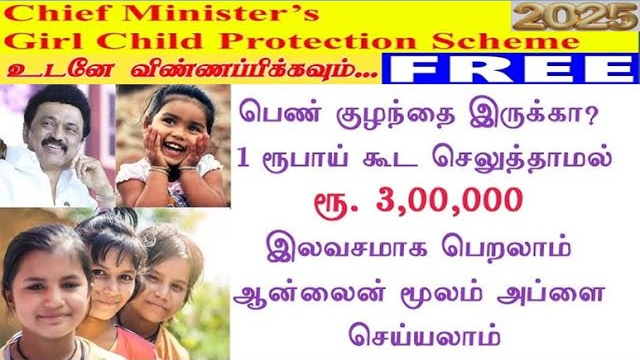
Key Features of the Scheme
Tamilnadu Girl Child Protection Scheme The scheme has undergone various modifications since its inception. The main features include:
- Fixed Deposit Account in the Name of the Girl Child
The government makes a one-time deposit or recurring deposits in the name of the girl child, which matures when she attains adulthood. - Financial Support for One or Two Girl Children
The scheme primarily supports the first two girl children in a family, thereby discouraging neglect. - Encouragement to Educate the Girl Child
The benefits are linked with conditions such as school attendance, non-involvement in child labor, and avoidance of early marriage. - Age of Maturity
The maturity benefit is provided when the girl turns 18 or 21, ensuring she receives funds at a critical stage for higher education or self-reliance. - Special Focus on Rural and Low-Income Families
Implementation is especially strong in districts where gender-based discrimination has historically been high.
Eligibility Criteria
For a family to avail of this scheme, they must fulfill certain eligibility conditions:
- Residence: The child must be a resident of Tamil Nadu.
- Family Income: The family should belong to the Below Poverty Line (BPL) category or meet the prescribed annual income ceiling.
- Number of Children: The scheme covers the first or first two girl children only.
- Age Limit: The child must be registered within a certain age window after birth (generally within 1 year).
- Education & Health Conditions: Parents must ensure immunization, enrollment in school, and refrain from child marriage.
Benefits of the Scheme
The scheme provides direct financial assistance in the following ways:
- Monetary Deposit:
- A fixed deposit (FD) ranging from ₹22,200 to ₹50,000 (depending on the version of the scheme) is made in the name of the girl child.
- This deposit, with accrued interest, becomes available when she reaches adulthood.
- Scholarships:
- In some cases, educational scholarships are provided to ensure continuous schooling.
- Insurance and Health Coverage:
- Some iterations of the scheme have included accidental insurance benefits for the child.
- Empowerment on Adulthood:
- When the FD matures, the girl receives a lump sum amount that can support her higher education, entrepreneurial venture, or marriage expenses.
Implementation Process
The Tamil Nadu Girl Child Protection Scheme is executed through:
- Department of Social Welfare and Nutritious Meal Programme
- This department oversees implementation across districts.
- Application Process
- Families apply at the District Social Welfare Office or local government offices with necessary documents (birth certificate, income certificate, ration card, etc.).
- Verification
- Applications are screened to ensure genuine eligibility.
- Account Creation
- Once approved, the government opens a fixed deposit account in the girl’s name with a nationalized bank.
- Monitoring
- Regular monitoring ensures that conditions such as education and health care are being fulfilled.
Impact of the Scheme
The Tamil Nadu Girl Child Protection Scheme has had multi-dimensional impacts:
- Reduction in Female Infanticide
- Districts that once reported high rates of female infanticide (like Dharmapuri, Salem, and Madurai) have witnessed improvements.
- Improved Sex Ratio
- The child sex ratio in Tamil Nadu has become more balanced compared to many other states.
- Increased School Enrollment
- Families are motivated to send daughters to school to retain scheme benefits.
- Delayed Marriages
- By linking benefits with the age of 18 or 21, the scheme indirectly discourages child marriage.
- Empowerment of Women
- Girls gain financial independence at a crucial stage of life, giving them more choices for their future.
Case Studies and Success Stories
- Dharmapuri District
Known for alarming female infanticide rates in the past, Dharmapuri has reported improvement after sustained awareness campaigns and implementation of the scheme. - Rural Families in Villupuram
Families once struggling to afford education for their daughters have now started sending them to schools, motivated by the scheme. - Girl Beneficiaries Pursuing Higher Studies
Many beneficiaries who matured out of the scheme have used the funds to pursue higher education and professional training.
Challenges and Criticisms
While the scheme has been largely successful, it faces certain challenges:
- Awareness Gap
- Many eligible families are unaware of the scheme due to poor outreach.
- Administrative Delays
- Application and approval processes can be slow, discouraging families.
- Limited Coverage
- Benefits are confined to the first two girl children, leaving out others in larger families.
- Rising Costs vs. Fixed Deposit
- Inflation and rising education/marriage costs mean the FD amount may not be sufficient in today’s context.
- Cultural Barriers
- Deep-rooted gender bias still persists in some communities, limiting the scheme’s effectiveness.
Comparison with Similar Schemes in India
Tamil Nadu’s scheme can be compared with other state and central initiatives:
- Beti Bachao Beti Padhao (Central Government) – Nationwide awareness and empowerment program.
- Sukanya Samriddhi Yojana (Central Government) – Savings scheme with tax benefits for the girl child.
- Kanyashree Prakalpa (West Bengal) – Direct benefit transfer to encourage girls’ education.
- Ladli Scheme (Delhi & Haryana) – Financial incentives at different life stages of the girl.
Tamil Nadu’s initiative stands out as one of the earliest and most structured programs in India, influencing other states to follow.
Future Prospects
For continued success, the following improvements are suggested:
- Increase in Deposit Amounts
- Updating deposits to match modern education and living costs.
- Integration with Digital Platforms
- Online application, monitoring, and tracking of benefits.
- Expanded Coverage
- Extending benefits to all girl children in a family.
- Skill Development Add-ons
- Linking the scheme with vocational training for holistic empowerment.
- Greater Awareness Campaigns
- Using mass media, schools, and health workers to spread information.
The Purpose of UMIS
The main purpose of UMIS is to bring every function of a university under one integrated system. Instead of depending on scattered manual processes, UMIS automates tasks such as admissions, course registration, attendance tracking, grading, and even hostel or library management. This reduces paperwork, saves time, and provides accurate real-time information.
Key Features of UMIS
Tamilnadu Girl Child Protection Scheme UMIS offers a wide range of features that help institutions operate effectively. Admission and enrollment modules simplify the student intake process by digitizing applications and ensuring merit-based selection. Academic management tools handle course scheduling, examinations, and result processing. Finance modules take care of fees, scholarships, and payrolls, while resource management tools look after hostel accommodation, transport, and libraries. Communication portals within UMIS allow direct interaction between teachers, students, and parents.
Benefits for Students
For students, UMIS provides easy access to academic records, timetables, and examination schedules. They can register for courses online, check their attendance, pay fees digitally, and even track their performance reports. This makes their university experience smoother and more transparent, eliminating the need for long queues and manual paperwork.
Benefits for Faculty and Staff
Faculty members can use UMIS to manage classes, upload course materials, mark attendance, and grade assignments. It allows them to spend more time on teaching and research rather than administrative tasks. Staff members in administration can process requests, maintain records, and generate reports with just a few clicks, making their work far more efficient.
Role of UMIS in Administration
University administrators gain a complete overview of institutional operations through UMIS dashboards. They can monitor admission statistics, financial health, faculty workload, and infrastructure usage in real time. This data-driven decision-making helps improve the quality of education and ensures better governance.
Integration with Modern Technologies
Modern UMIS platforms are often integrated with technologies like cloud computing, artificial intelligence, and data analytics. Cloud storage ensures data security and accessibility, AI helps in predictive analysis such as forecasting admissions, and analytics tools provide insights into student performance and institutional growth.
UMIS and Digital Transformation in Education
Tamilnadu Girl Child Protection Scheme UMIS is not just a management tool—it is a driver of digital transformation in education. By shifting universities from traditional manual systems to automated digital solutions, it enhances efficiency, reduces errors, and builds trust among students and stakeholders. It also ensures that universities can adapt quickly to new challenges, such as online learning and remote administration.
Challenges in Implementing UMIS
Despite its advantages, implementing UMIS can be challenging. High setup costs, resistance to change, and the need for technical training often slow down adoption. Data security and privacy are also major concerns, as universities handle sensitive student and faculty information. However, with proper planning and cybersecurity measures, these challenges can be addressed.
Conclusion
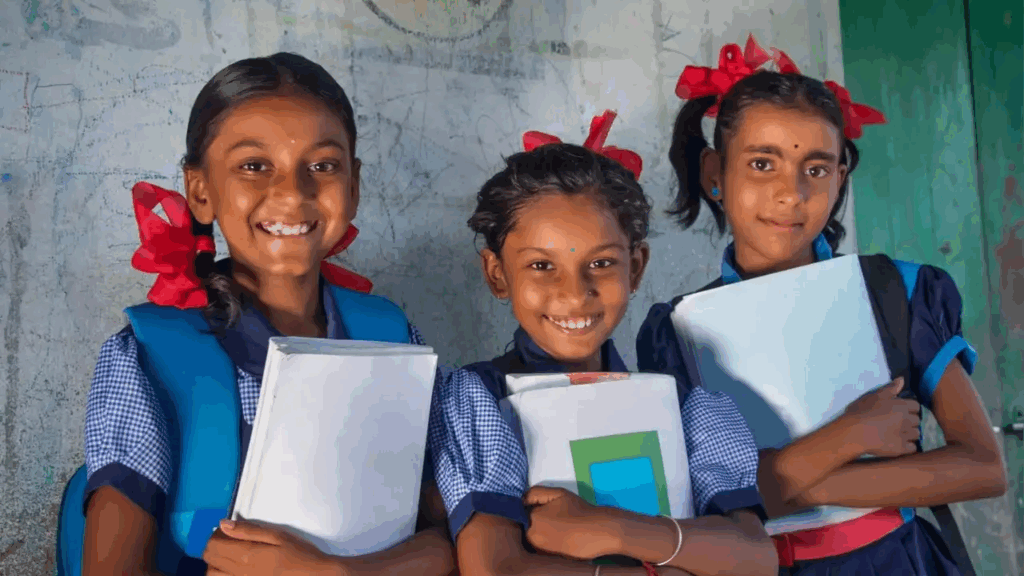
The Tamil Nadu Girl Child Protection Scheme represents one of the most progressive steps taken by a state government to protect and empower the girl child. It addresses deep-rooted cultural issues by offering financial incentives that promote survival, education, and empowerment of girls.
While challenges remain in terms of coverage, adequacy of financial support, and social attitudes, the scheme has already made a significant difference in improving the girl child’s status in Tamil Nadu.
LINK BELOW
As India moves towards inclusive development, such schemes serve as a model for other states, proving that strong political will, community participation, and sustained investment in women’s welfare can lead to transformative social change.